Numerous irregularities detected in the composition of cosmetics – Customs also to begin monitoring for asbestos in cosmetics in the future
Last year, Finnish Customs rejected 17 per cent of the controlled cosmetic products, most of them originating from outside the EU. For some time already, cosmetics have accounted for the majority of irregularities among the product groups controlled by Customs.
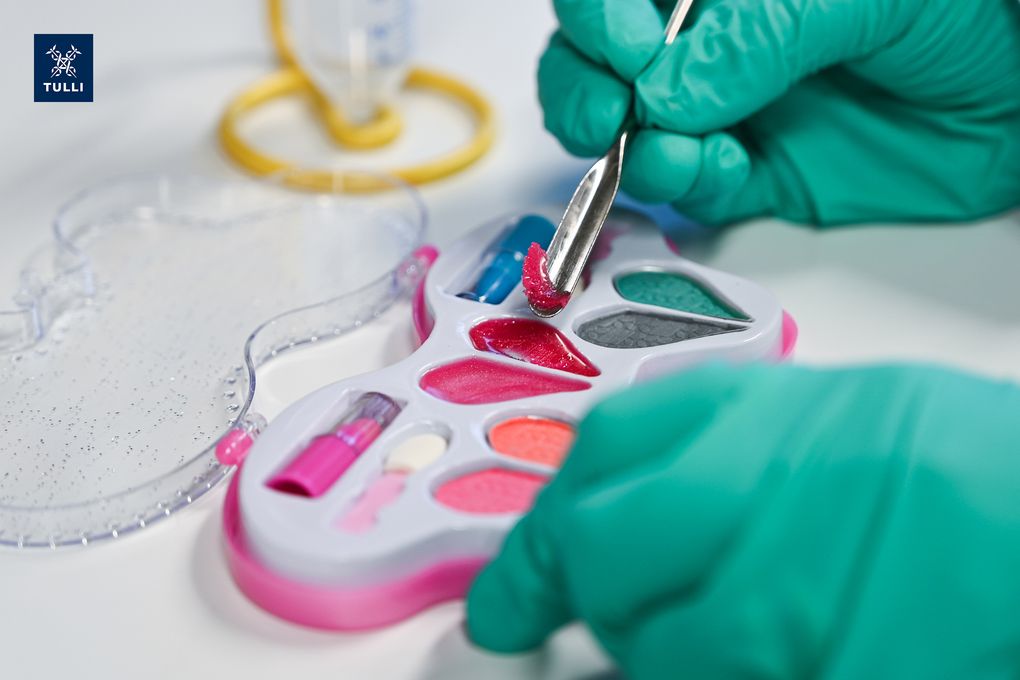
Customs controlled the compliance of a total of 155 cosmetic products last year. The number of products that were rejected was 27, and 23 of these came from outside the EU. The rejected products included sunscreens, exfoliating and depilatory preparations, make-up and various types of creams and lotions. Minor defects were found in 21 products, 18 of which were of non-EU origin.
“We focus particular attention on fragrances and preservatives that cause allergies and that are restricted through the cosmetics legislation. Later on, we will also start controlling the presence of asbestos in cosmetics in powder form,” says Jonna Savander, head of product safety at Finnish Customs.
The non-compliant cosmetic products were not allowed to enter the market. Some of the products were destroyed and some were returned to the seller.
“For instance, one eye cream contained high levels of aerobic microbes that are hazardous to health, and it was thus not allowed to enter the market,” says Savander.
There was also a large number of errors in the package labels of the cosmetic products. Some of the products, for example, lacked warnings or sufficient instructions for use in Finnish or Swedish.
Stricter requirements for the list of ingredients for cosmetics
For some of the products, Customs did not receive any information from the seller about the composition of the product.
“When conducting control of cosmetics, it is important to obtain sufficient information about the actual composition of the product, as the list of ingredients does not show things such as the amounts fragrances or preservatives contained in the product,” says Savander.
In 2028, new restrictions will be introduced for dozens of different fragrance allergens in the EU’s cosmetics regulation.
“In the future, these fragrance allergens must be itemised in the product’s list of ingredients, if they are present in the product in a specific concentration,” says customs chemist Emi Lagerspets.
This spring, restrictions will also be introduced for the size of silver particles and the silver concentration in products.
Customs controls imported cosmetics but not consumers’ online purchases
Customs controls consumer goods, such as cosmetics, at the point of their import from either within or outside the EU, and the control is based on Customs’ risk assessment. The products are examined and tested at the Customs Laboratory.
The responsibility for ensuring a product’s compliance with regulations lies with the manufacturer, seller, importer and distributor of the product. Products that are already on sale in Finland are, besides Customs, also overseen by the Safety and Chemicals Agency (Tukes). The authorities do not oversee the online purchases of goods that Finnish consumers order directly for themselves.
Customs’ consumer goods control is based on, among other things, the Consumer Safety Act, the Chemicals Act, the Act on Cosmetic Products and the REACH Regulation of the EU. The purpose of the legislation is to protect consumer health and the environment against the hazards posed by chemical substances.